 Image 1 of 5
 Image 2 of 5
 Image 3 of 5
 Image 4 of 5
 Image 5 of 5
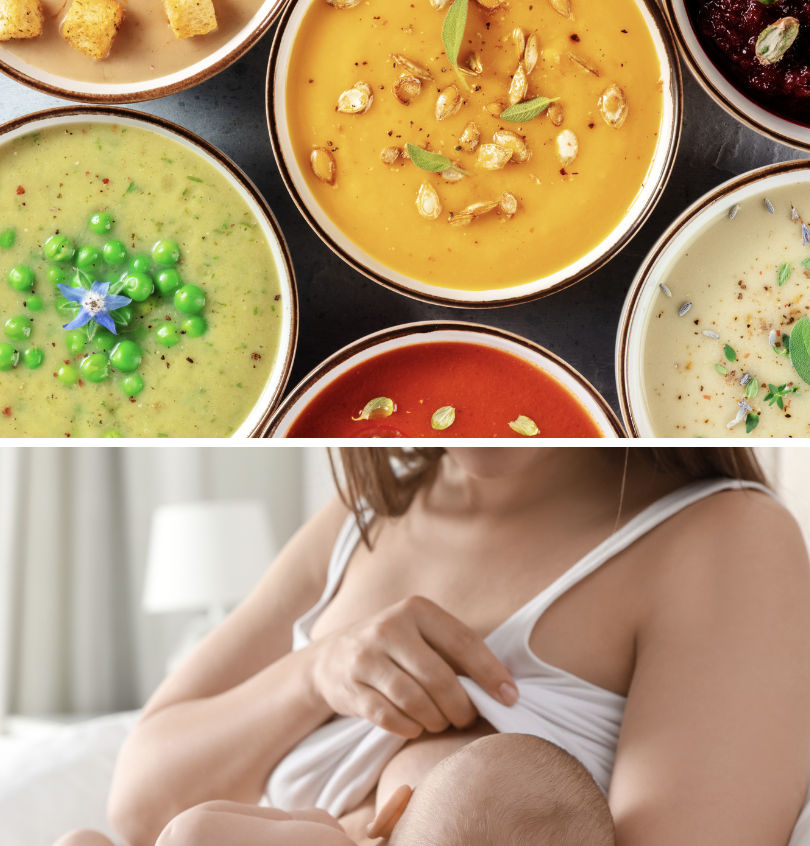
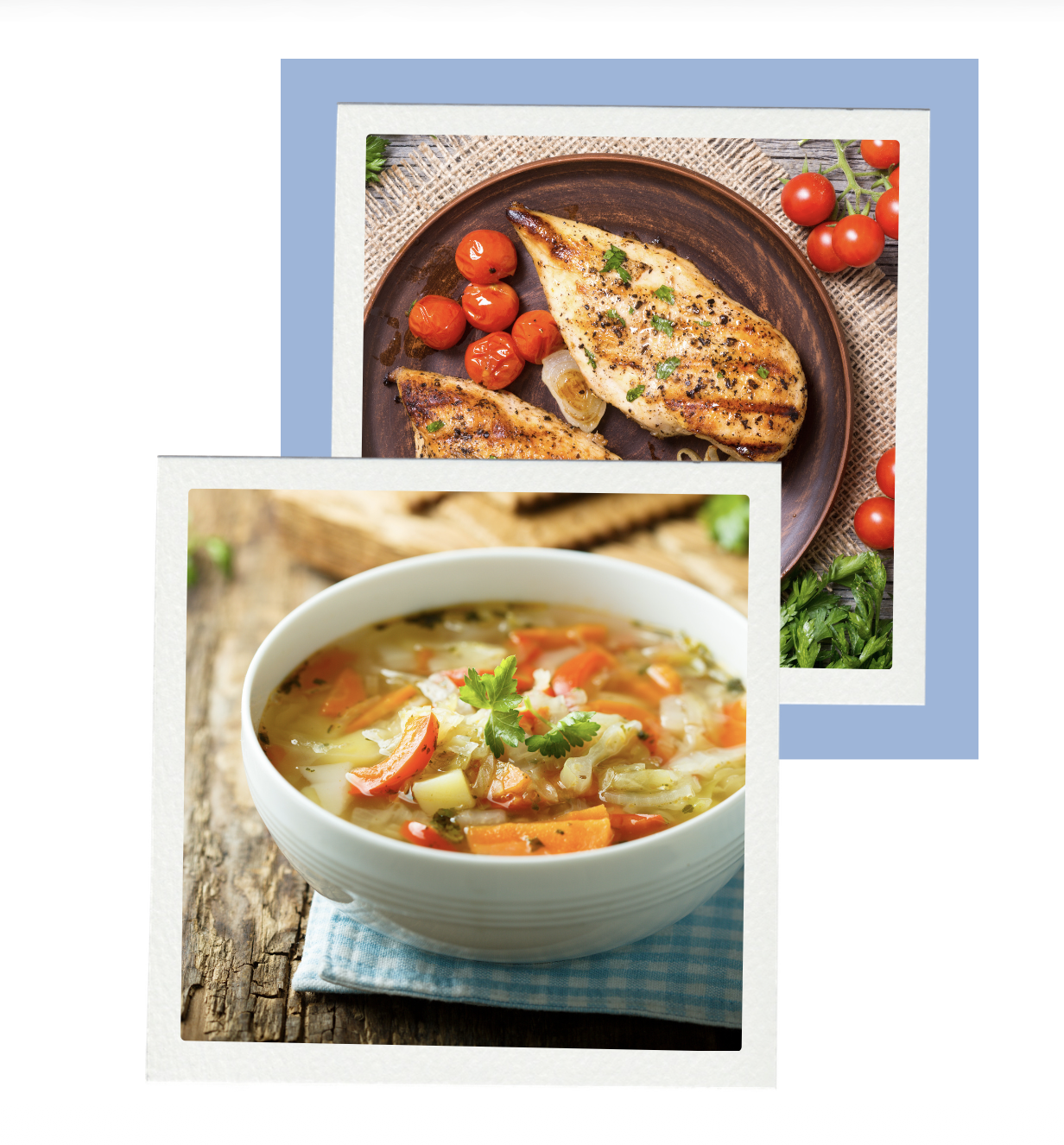
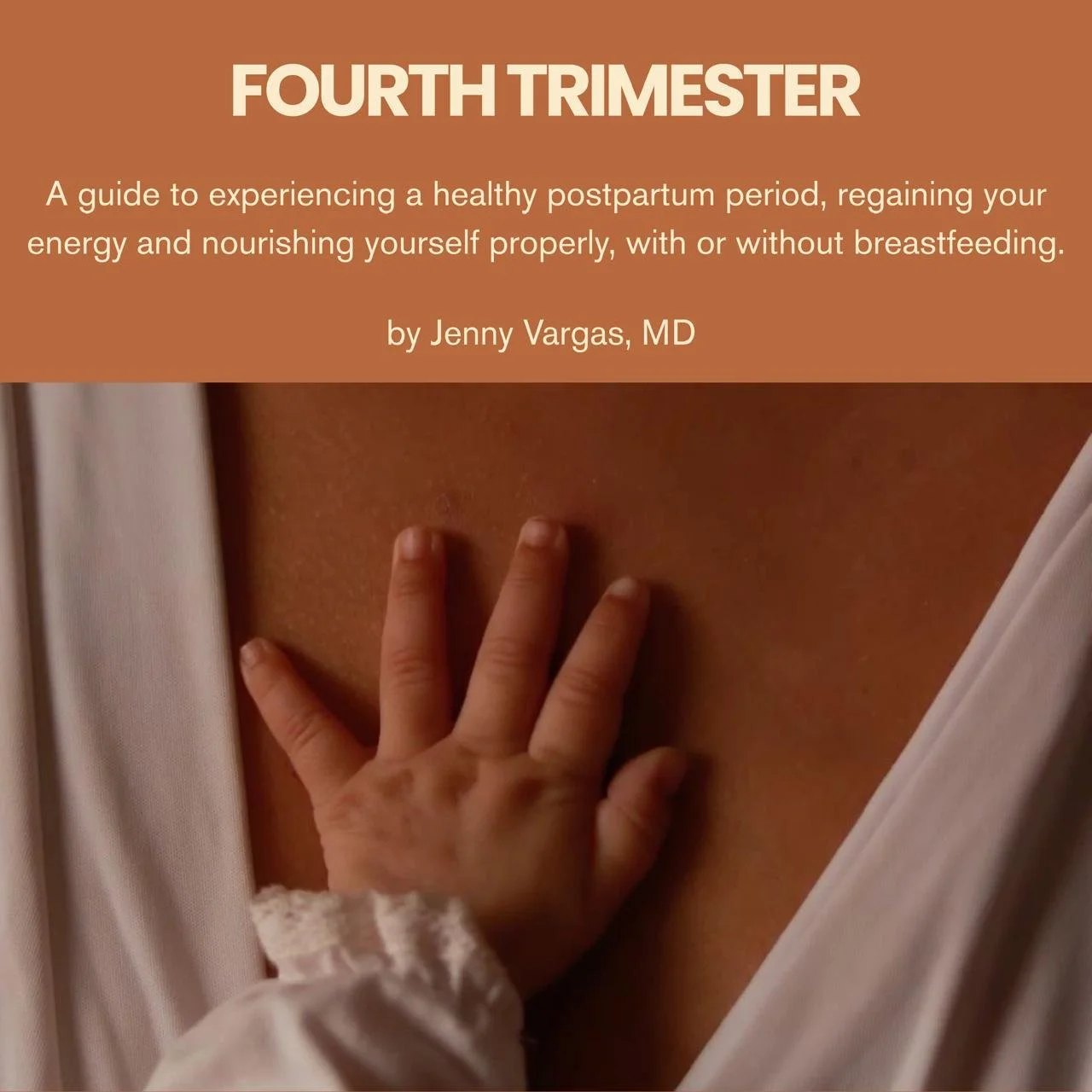
POSTPARTUM NUTRITION: This ebook is a 95-page downloadable PDF packed with information, tips, and recipes. Food is medicine In traditional Chinese culture, food is medicine. It is the source of your postpartum *qi* (energy) and blood, and is essential for proper healing. It is recognized that nutritional needs are higher during recovery from childbirth—and particularly during breastfeeding—so the foods prized for this period are highly nutrient-dense. Beyond helping to heal and replenish nutrients depleted by pregnancy and childbirth, the mother needs support to produce breast milk and navigate a major life transition. The focus is on nourishing blood, *qi*, *yin*, and *yang*—elements that are required for fetal growth, depleted during birth, and essential for breastfeeding and motherhood. Given the emphasis on highly nutritious foods, meat—and most commonly, soups and stews made with bone broths—usually takes center stage. Broth-based soups are the ideal postpartum food; they provide protein, supply iron, calcium, and magnesium in an easily absorbable form, and contain gelatin, which supports connective tissue repair and helps stop excessive uterine bleeding. The plan includes: General information on postpartum nutrition and care Recommended foods Steps to follow Foods to avoid Benefits of a complete and balanced diet Menus and recipes for weight management and nutrition Science-based information
POSTPARTUM NUTRITION: This ebook is a 95-page downloadable PDF packed with information, tips, and recipes. Food is medicine In traditional Chinese culture, food is medicine. It is the source of your postpartum *qi* (energy) and blood, and is essential for proper healing. It is recognized that nutritional needs are higher during recovery from childbirth—and particularly during breastfeeding—so the foods prized for this period are highly nutrient-dense. Beyond helping to heal and replenish nutrients depleted by pregnancy and childbirth, the mother needs support to produce breast milk and navigate a major life transition. The focus is on nourishing blood, *qi*, *yin*, and *yang*—elements that are required for fetal growth, depleted during birth, and essential for breastfeeding and motherhood. Given the emphasis on highly nutritious foods, meat—and most commonly, soups and stews made with bone broths—usually takes center stage. Broth-based soups are the ideal postpartum food; they provide protein, supply iron, calcium, and magnesium in an easily absorbable form, and contain gelatin, which supports connective tissue repair and helps stop excessive uterine bleeding. The plan includes: General information on postpartum nutrition and care Recommended foods Steps to follow Foods to avoid Benefits of a complete and balanced diet Menus and recipes for weight management and nutrition Science-based information