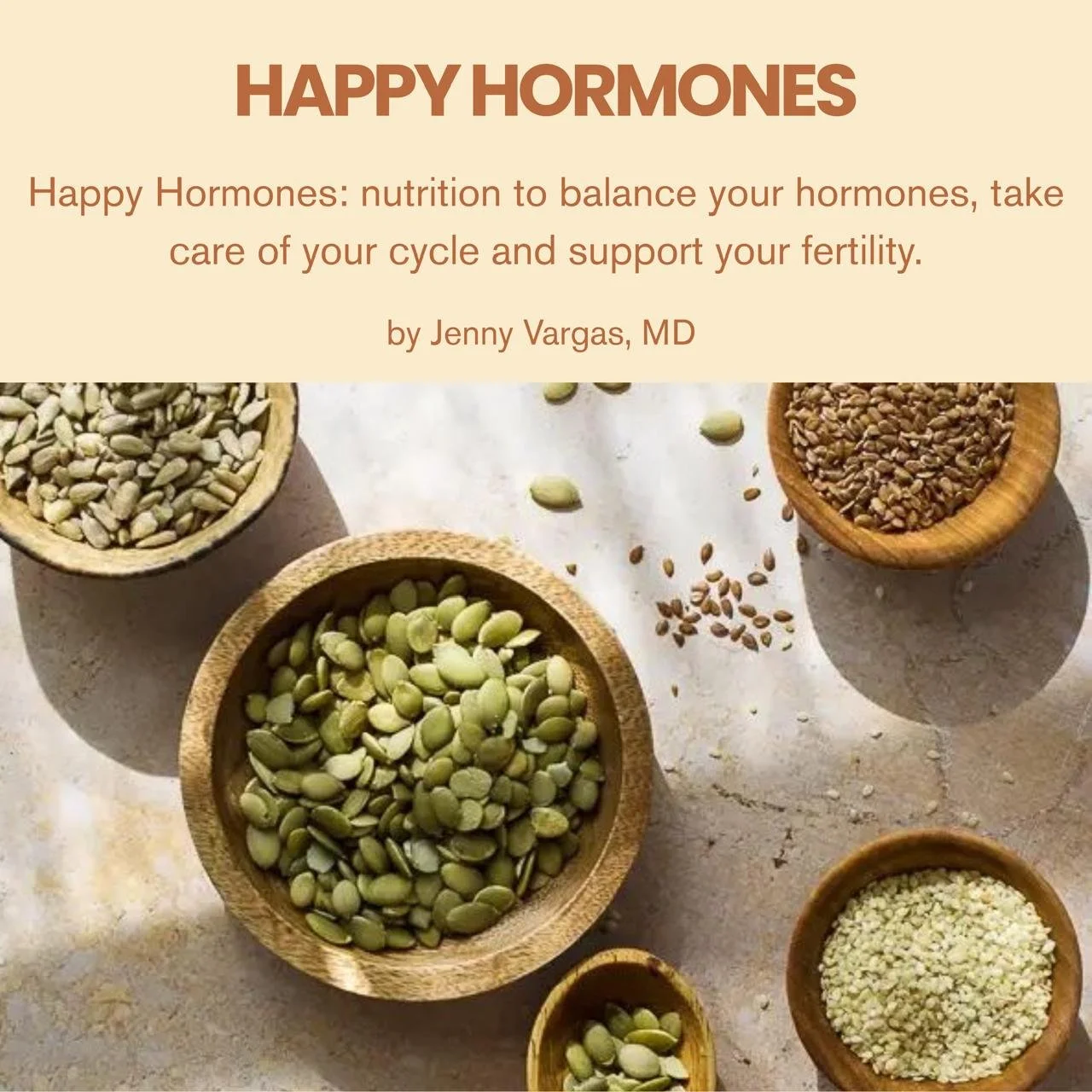
Introduction: This ebook is a 105-page downloadable PDF, packed with information, tips, and recipes.
Our neurons begin to be damaged by nutritional deficiencies, heavy metal contamination, viruses, or harmful microorganisms that cause inflammation or increased heat due to excess cortisol or adrenaline, or emotional trauma. Exposure to heavy metals is all around us all the time because we breathe, drink, eat, apply them to our skin, or inject them, such as with botulinum toxin or breast implants. Other sources include fragrances, scented candles, artificial air fresheners, detergents, perfumes, drugs (including marijuana and microdoses of psilocybin), tattoos, pesticides, cosmetics, medications, electromagnetism (cell phones, computers, tablets, televisions, video games), and X-rays.
This exposure to heavy metals can cross the blood-brain barrier, causing many symptoms, chronic illnesses, and suppression of the immune system, making us more susceptible to viral and bacterial infections. In a brain inflamed by heavy metals or viruses, diet is very important to avoid feeding the negative viruses, since they are the ones causing anxiety, depression, mood swings, dysautonomia, cravings, autoimmune diseases, etc.
People with anxiety and/or depression often think it's their fault, that they need to change, meditate, breathe, and exercise to get better. But these tools are very difficult to practice when you feel so bad. How can you breathe if your vagus and phrenic nerves are inflamed? How can you exercise when your whole body is inflamed and painful? How can you meditate if you're so fatigued and have brain fog? Or how can you think positively if sadness prevents you?
There are physical reasons for your mental and emotional suffering. Your brain lacks minerals, glucose, and oxygen, and it needs to eliminate toxins so that your neurotransmitters can be produced. Anxiolytic medications and antidepressants can help, but they also poison you further.
What your brain needs is to eliminate toxins, the heat produced by strong emotions, nourish it with vitamins, minerals, amino acids, water, and oxygen, lower your stress level, and avoid taking medications when they aren't necessary. Anxiety is different for everyone and can be caused by excessive stress, the loss of a loved one, divorce, or financial problems; but for anxiety to appear, there must be some PHYSICAL CAUSE (presence of heavy metals, neurotoxins caused by viruses, nutritional deficiencies, inflammation, etc.). Vertigo, dizziness, brain fog, and blurred vision are allergic reactions to neurotoxins in the brain and are often accompanied by anxiety. Triggers can include: excessive exercise, certain foods such as sugar, gluten, eggs, pork, and soy, chemicals, nutrient deficiencies, inadequate intermittent fasting, blood donation, lack of sleep, postpartum, new relationships, surgeries, medications, and eating disorders.
Did you know that healthy foods can regulate your mood, emotions, and even brain connections? In contrast, refined carbohydrates and processed foods decrease mineral absorption, deplete B vitamins, and cause glucose/insulin imbalances, leading to emotional instability, cravings, and dissatisfaction.
Anxiety can create hormonal imbalances, infertility, PCOS, menstrual irregularities, and excessive weight gain or loss. It also disrupts digestion, causes inflammation, and weakens the immune system. "LIVING WITH ANXIETY IS NOT NORMAL."
Introduction: This ebook is a 105-page downloadable PDF, packed with information, tips, and recipes.
Our neurons begin to be damaged by nutritional deficiencies, heavy metal contamination, viruses, or harmful microorganisms that cause inflammation or increased heat due to excess cortisol or adrenaline, or emotional trauma. Exposure to heavy metals is all around us all the time because we breathe, drink, eat, apply them to our skin, or inject them, such as with botulinum toxin or breast implants. Other sources include fragrances, scented candles, artificial air fresheners, detergents, perfumes, drugs (including marijuana and microdoses of psilocybin), tattoos, pesticides, cosmetics, medications, electromagnetism (cell phones, computers, tablets, televisions, video games), and X-rays.
This exposure to heavy metals can cross the blood-brain barrier, causing many symptoms, chronic illnesses, and suppression of the immune system, making us more susceptible to viral and bacterial infections. In a brain inflamed by heavy metals or viruses, diet is very important to avoid feeding the negative viruses, since they are the ones causing anxiety, depression, mood swings, dysautonomia, cravings, autoimmune diseases, etc.
People with anxiety and/or depression often think it's their fault, that they need to change, meditate, breathe, and exercise to get better. But these tools are very difficult to practice when you feel so bad. How can you breathe if your vagus and phrenic nerves are inflamed? How can you exercise when your whole body is inflamed and painful? How can you meditate if you're so fatigued and have brain fog? Or how can you think positively if sadness prevents you?
There are physical reasons for your mental and emotional suffering. Your brain lacks minerals, glucose, and oxygen, and it needs to eliminate toxins so that your neurotransmitters can be produced. Anxiolytic medications and antidepressants can help, but they also poison you further.
What your brain needs is to eliminate toxins, the heat produced by strong emotions, nourish it with vitamins, minerals, amino acids, water, and oxygen, lower your stress level, and avoid taking medications when they aren't necessary. Anxiety is different for everyone and can be caused by excessive stress, the loss of a loved one, divorce, or financial problems; but for anxiety to appear, there must be some PHYSICAL CAUSE (presence of heavy metals, neurotoxins caused by viruses, nutritional deficiencies, inflammation, etc.). Vertigo, dizziness, brain fog, and blurred vision are allergic reactions to neurotoxins in the brain and are often accompanied by anxiety. Triggers can include: excessive exercise, certain foods such as sugar, gluten, eggs, pork, and soy, chemicals, nutrient deficiencies, inadequate intermittent fasting, blood donation, lack of sleep, postpartum, new relationships, surgeries, medications, and eating disorders.
Did you know that healthy foods can regulate your mood, emotions, and even brain connections? In contrast, refined carbohydrates and processed foods decrease mineral absorption, deplete B vitamins, and cause glucose/insulin imbalances, leading to emotional instability, cravings, and dissatisfaction.
Anxiety can create hormonal imbalances, infertility, PCOS, menstrual irregularities, and excessive weight gain or loss. It also disrupts digestion, causes inflammation, and weakens the immune system. "LIVING WITH ANXIETY IS NOT NORMAL."
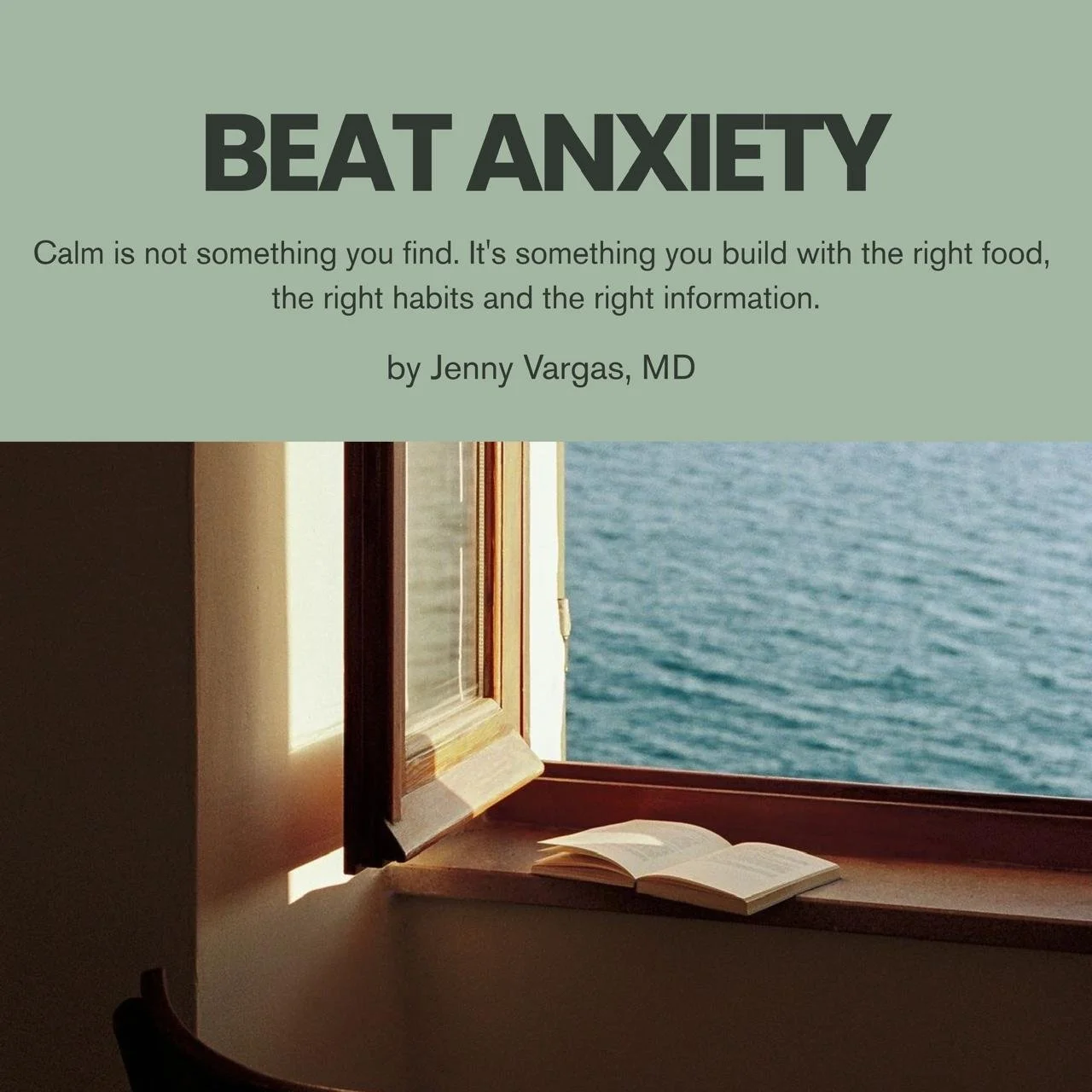 Image 1 of 7
 Image 2 of 7
 Image 3 of 7
 Image 4 of 7
 Image 5 of 7
 Image 6 of 7
 Image 7 of 7